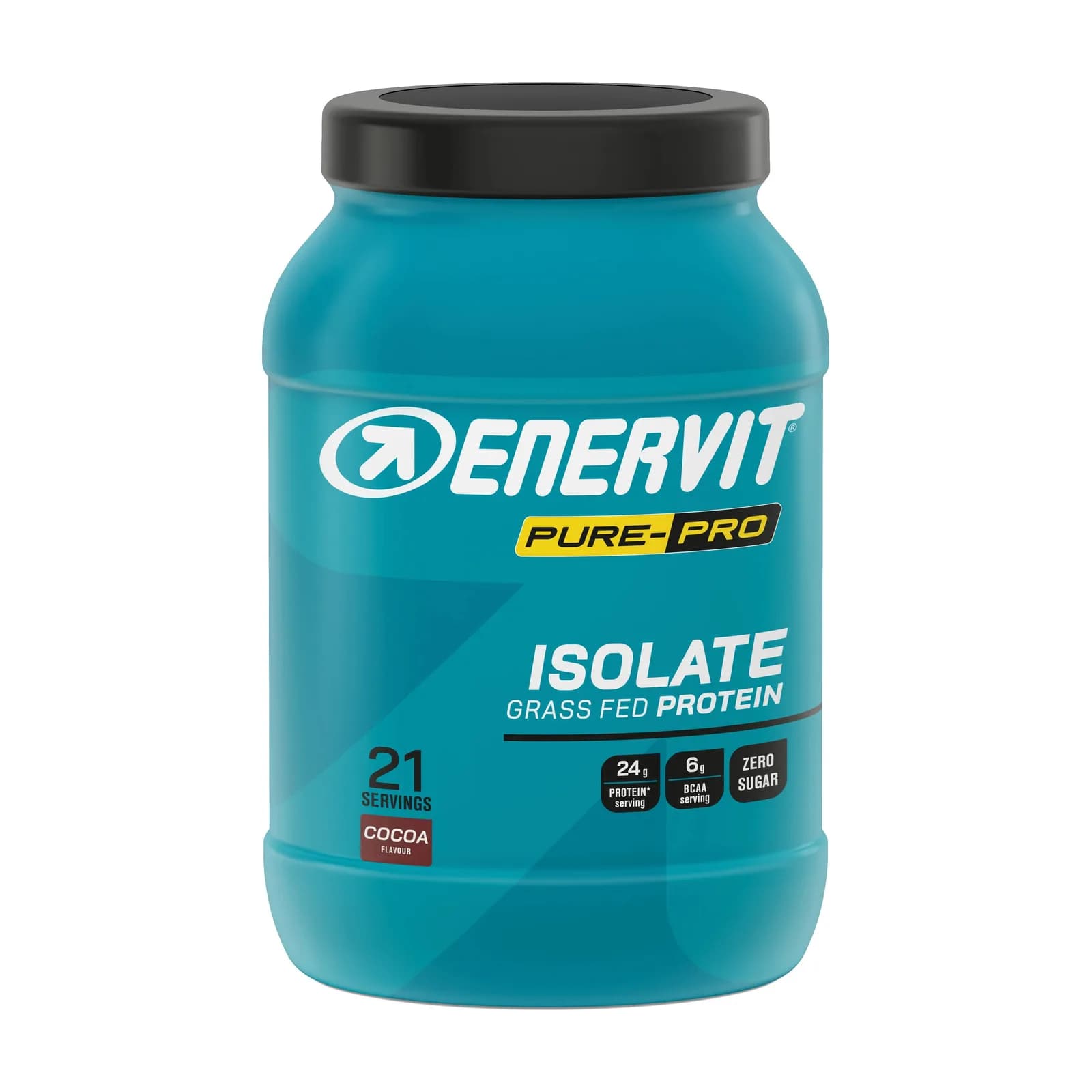
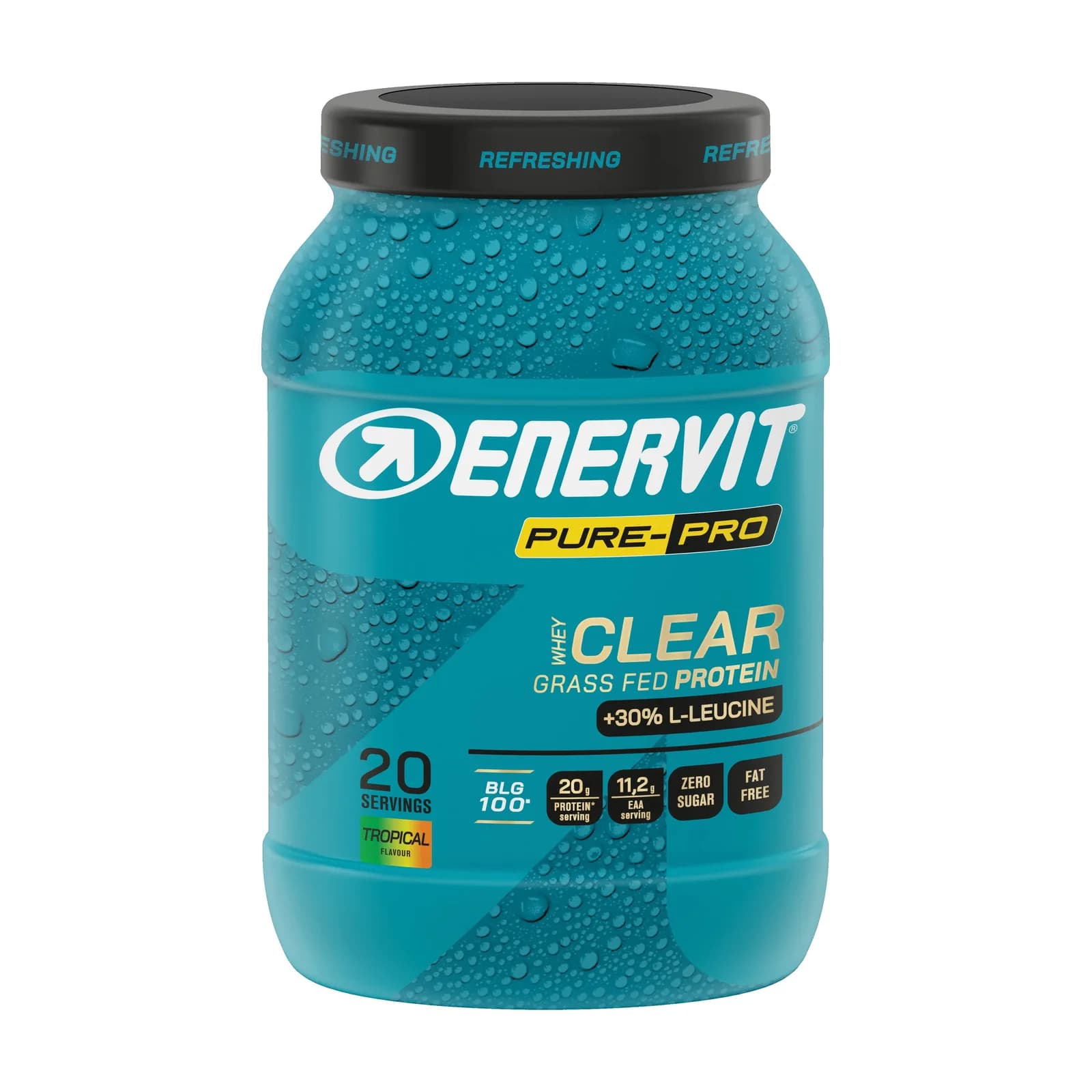
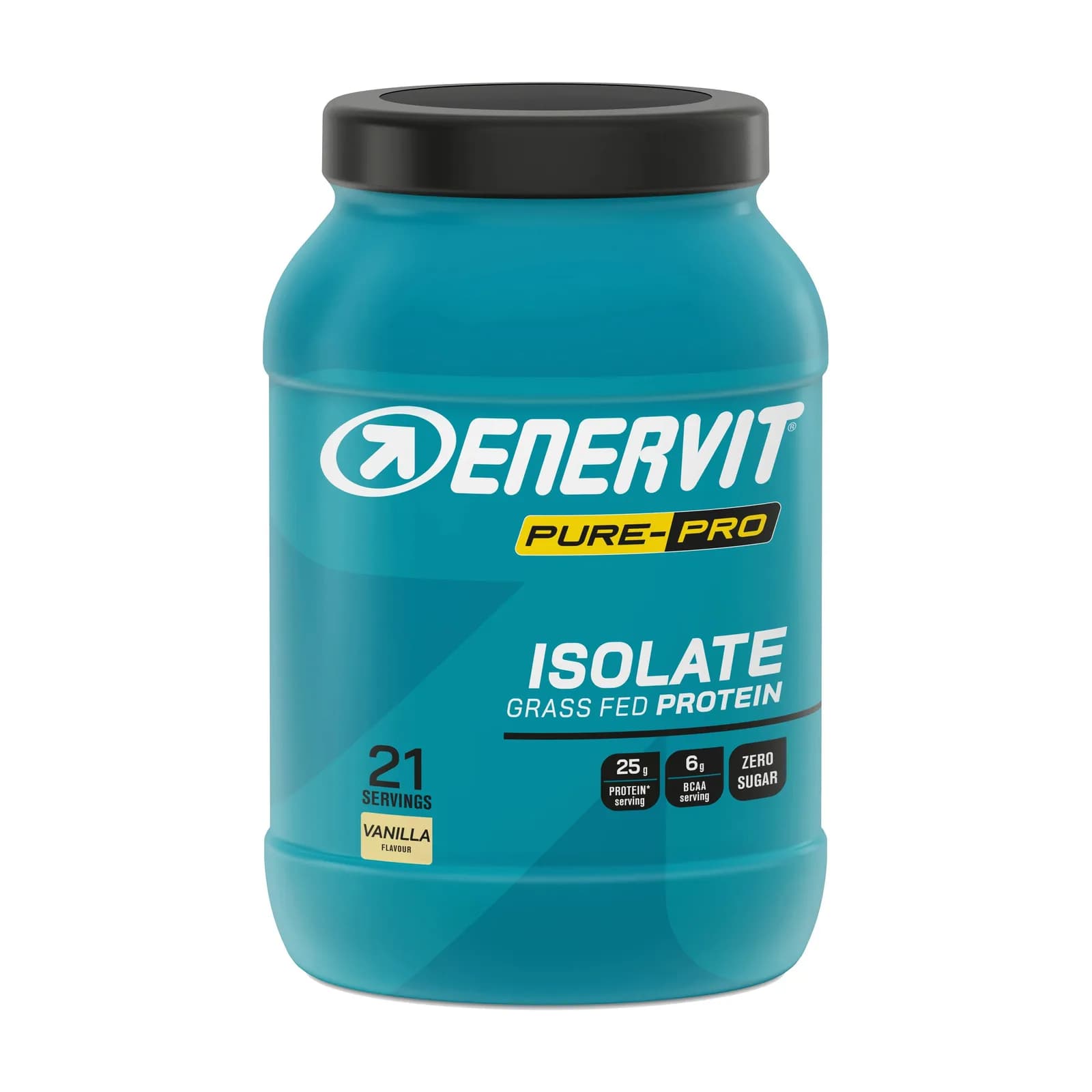
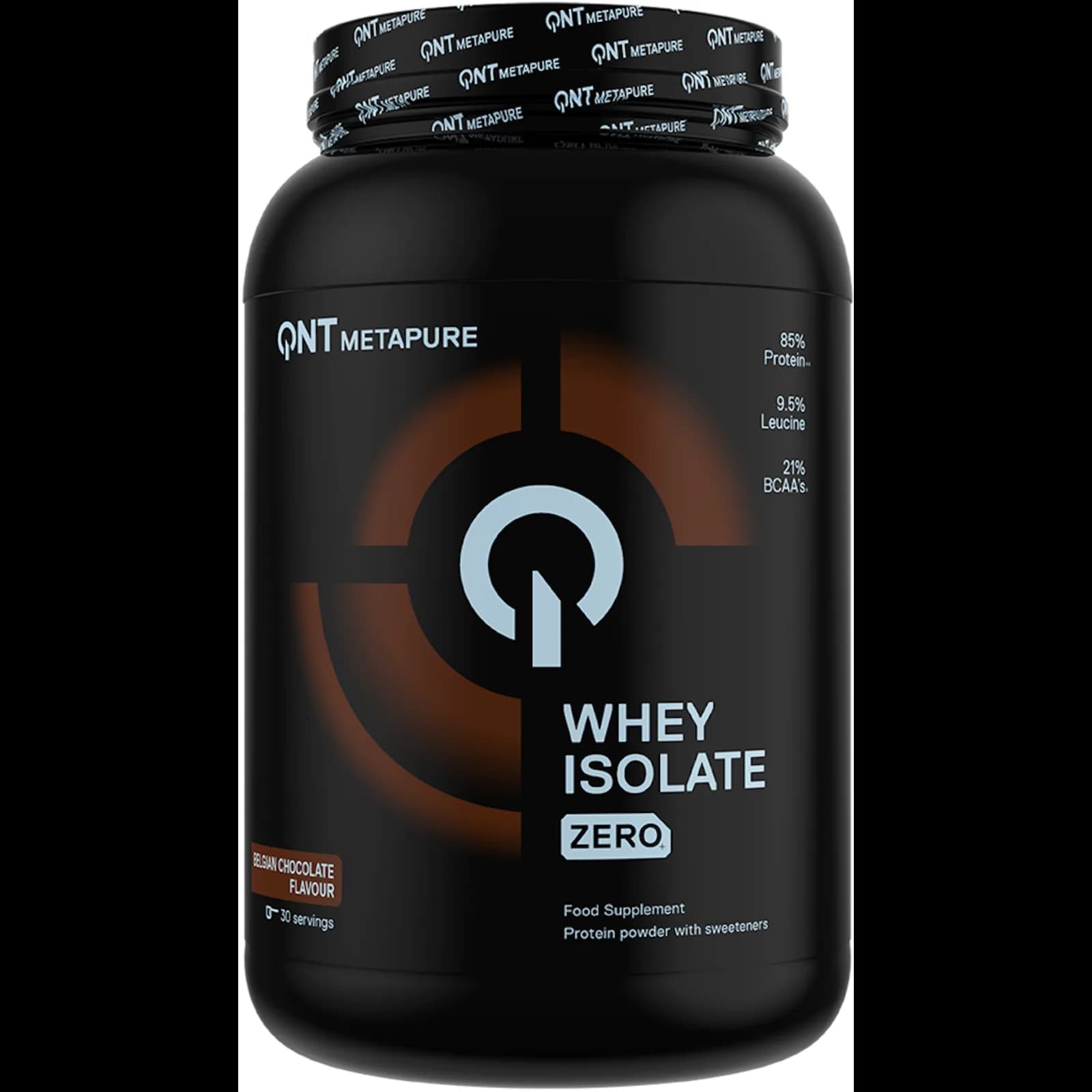
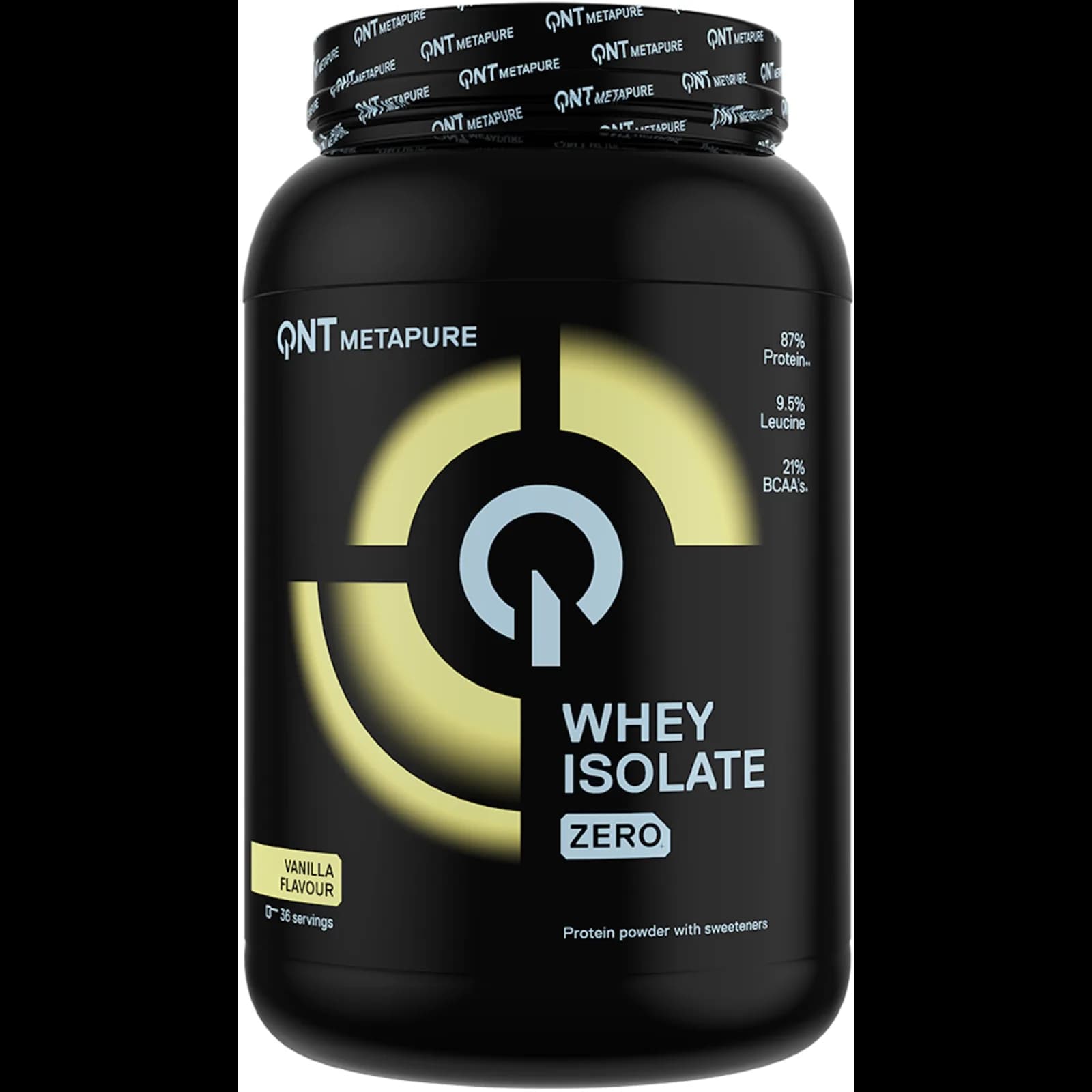
5 products
Whey isolate is whey concentrate taken through an additional filtration step — the result is over 90% protein content with lactose and fat reduced to minimum levels. Filtration methods: microfiltration (CFM — Cross-Flow Microfiltration) or ion-exchange filtration.
Who benefits most? Lactose-sensitive users (0.5–1g lactose per serving vs 3–5g in concentrate), trainees in a cutting phase (minimal caloric load), and those on a ketogenic or minimum-carb diet.
The isolate market is diverse. Here are the key factors to consider.
CFM (Cross-Flow Microfiltration): cold filtration — preserves protein structure, better amino profile. Optimal, slightly more expensive. Ion-exchange: more aggressive process, preserves most protein but denatures some sensitive proteins. Slightly cheaper.
Standard isolate: 90–93% protein. Premium isolate: 93–95%. Native Whey Isolate (extracted directly from cow milk, not from cheese production): 95%+ and premium quality. Native Whey is 50–100% more expensive.
Good isolate does not need: artificial colors, added sugar (isolate is naturally slightly sweet from the small lactose content), hidden fats. The first 3 ingredients on the label: whey protein isolate, flavor component, natural sweetener (stevia, sucralose).
Isolate tastes less milky and slightly cleaner than concentrate. Mixes better in water — produces a less creamy texture. Optimal if you prefer your whey with water.
Isolate is typically 25–40% more expensive than concentrate. Native Whey Isolate adds another 50–100%. 1kg tub: 90–180 GEL standard, 200–350 GEL premium.