1 products
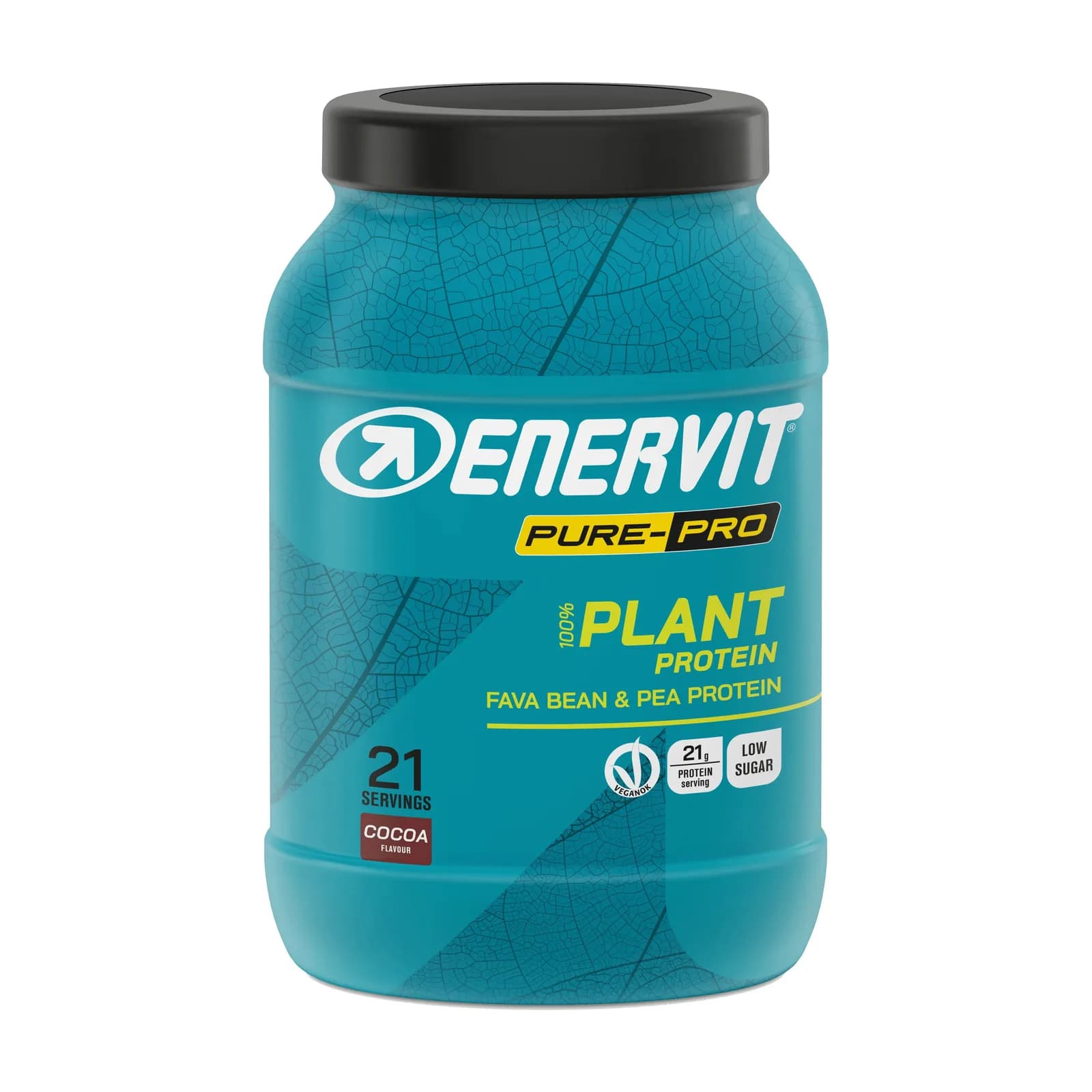
Plant protein is a vegan-friendly alternative to animal-based protein — pea, soy, rice, hemp, or blends of these. For vegans, lactose-sensitive users, and those reducing animal product consumption.
Amino acid completeness: individual plant protein sources often lack a complete amino profile (the so-called "limiting amino acid"). Blends — especially pea + rice — complement each other and approach whey-s profile.
Plant protein choice depends on amino profile, flavor, and allergenicity.
Pea protein — the most popular plant protein. 80% protein content, good lysine profile (the usual weakness in other plants), hypoallergenic. Slightly earthy flavor, minimized in modern formulas. 25g protein per serving.
Soy protein — the only "complete" plant protein (all essential aminos in optimal proportions). Affordable, neutral flavor. Note: soy contains phytoestrogens — at high doses over long-term use, hormonal effects are possible (primarily in men).
Rice protein — 70–80% protein, hypoallergenic, mild flavor. On its own — slight lysine deficiency. Optimal when combined with pea protein.
Hemp protein — 50% protein (unrefined), rich in omega-3, fiber, and minerals. Less protein per serving (20g vs 25g in other plant proteins). Heavy, earthy taste. Optimal for general health, not as a primary sports protein source.
Pea + rice (typically 70:30 or 80:20) — the most popular and effective combination. Complete amino profile, close to whey. If you need to pick one plant protein — choose this blend.
Plant protein is slightly less effective than whey for protein synthesis (BV score 70–80 vs whey-s 100). To compensate — dose 25–35g (10g more than whey-s 25g). Daily protein target remains the same: 1.6–2.2g/kg.