32 products
Amino acids are the building blocks of protein — molecules that drive muscle protein synthesis, recovery, and energy metabolism. There are 20 standard amino acids, 9 of which are essential (EAAs): your body can't produce them, so you must get them from food or supplementation.
Why supplement individual amino acids? For targeted effects. BCAAs and EAAs activate muscle protein synthesis, glutamine supports recovery and immune function, beta-alanine boosts muscular endurance, L-carnitine facilitates fat metabolism, and citrulline/arginine drive nitric oxide production and "pump".
Best amino acids in Georgia depends entirely on your goal. FitShop.ge organizes our range into six subcategories — BCAA, EAA, glutamine, beta-alanine, L-carnitine, and citrulline/arginine — each tuned for a specific function.
The amino acid landscape is nuanced — not every product serves every person. Here's a short guide to the six subcategories so you can match the right supplement to your goal.
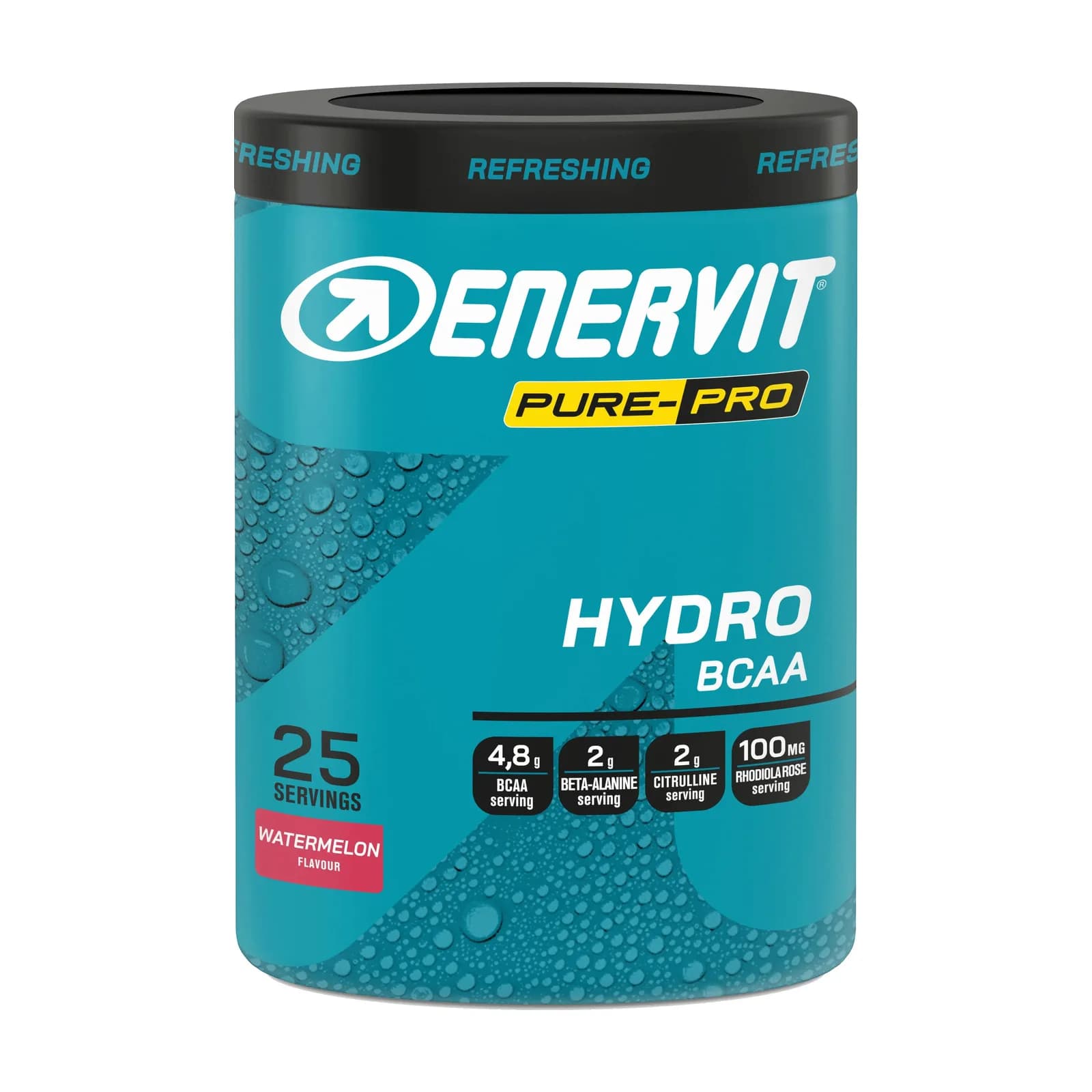
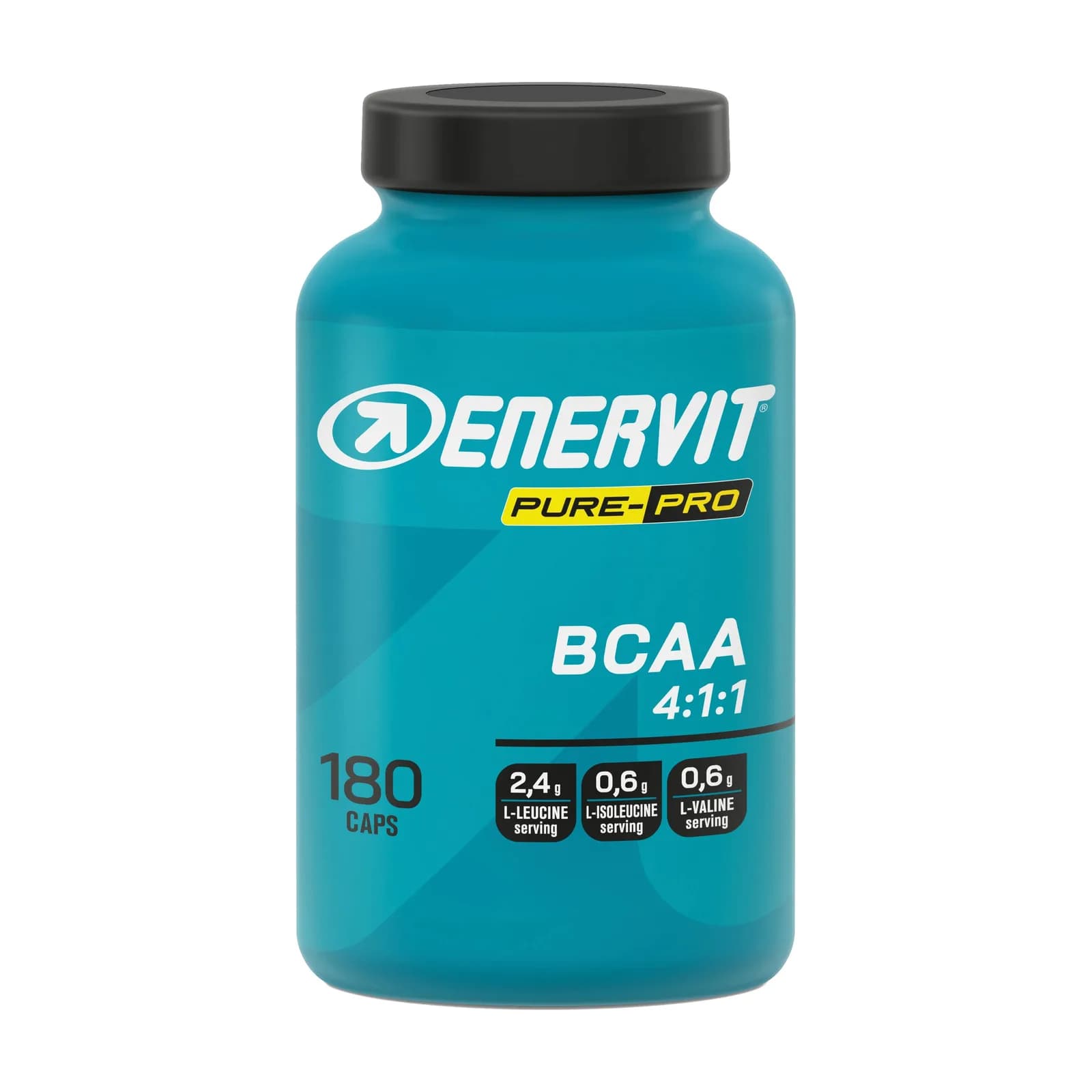
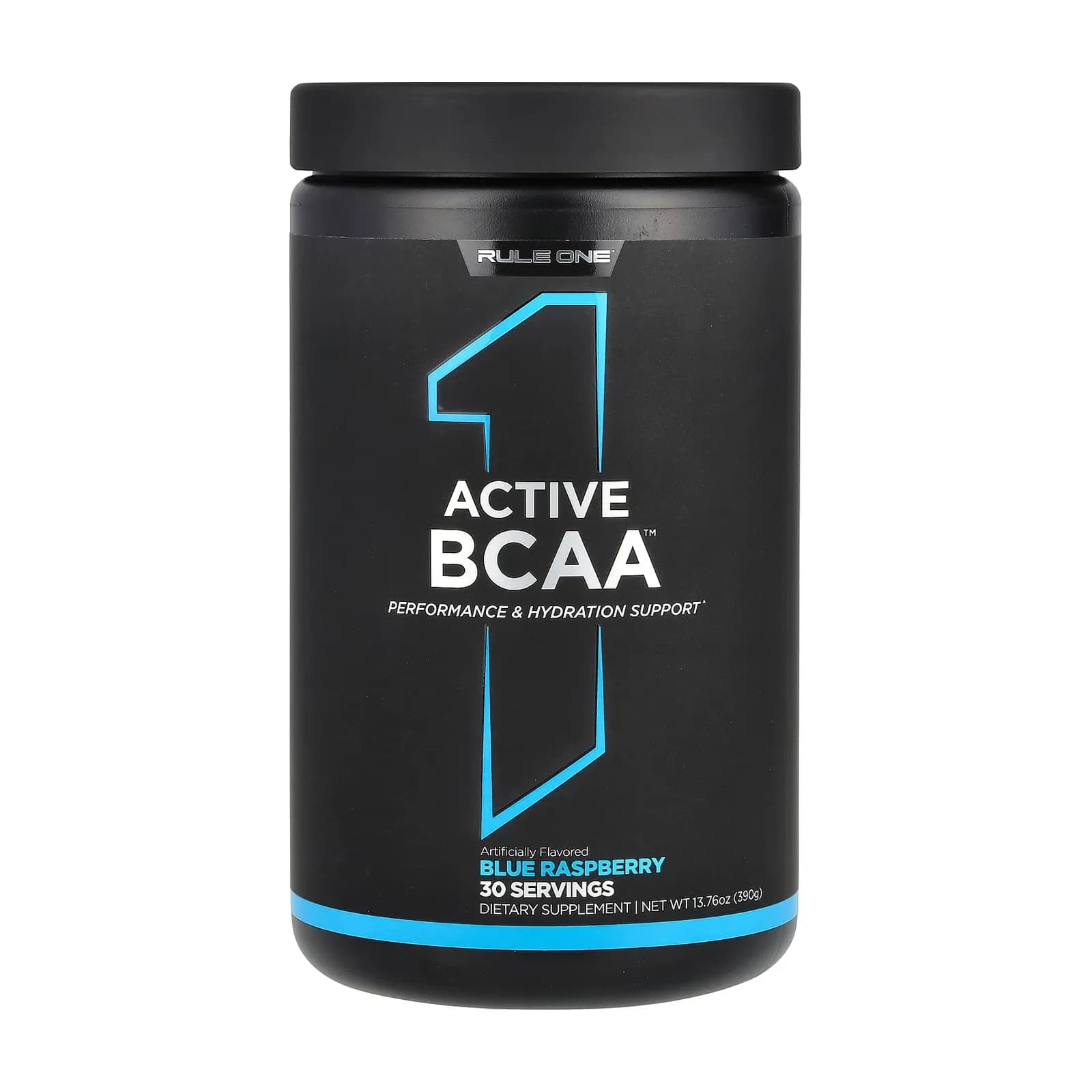
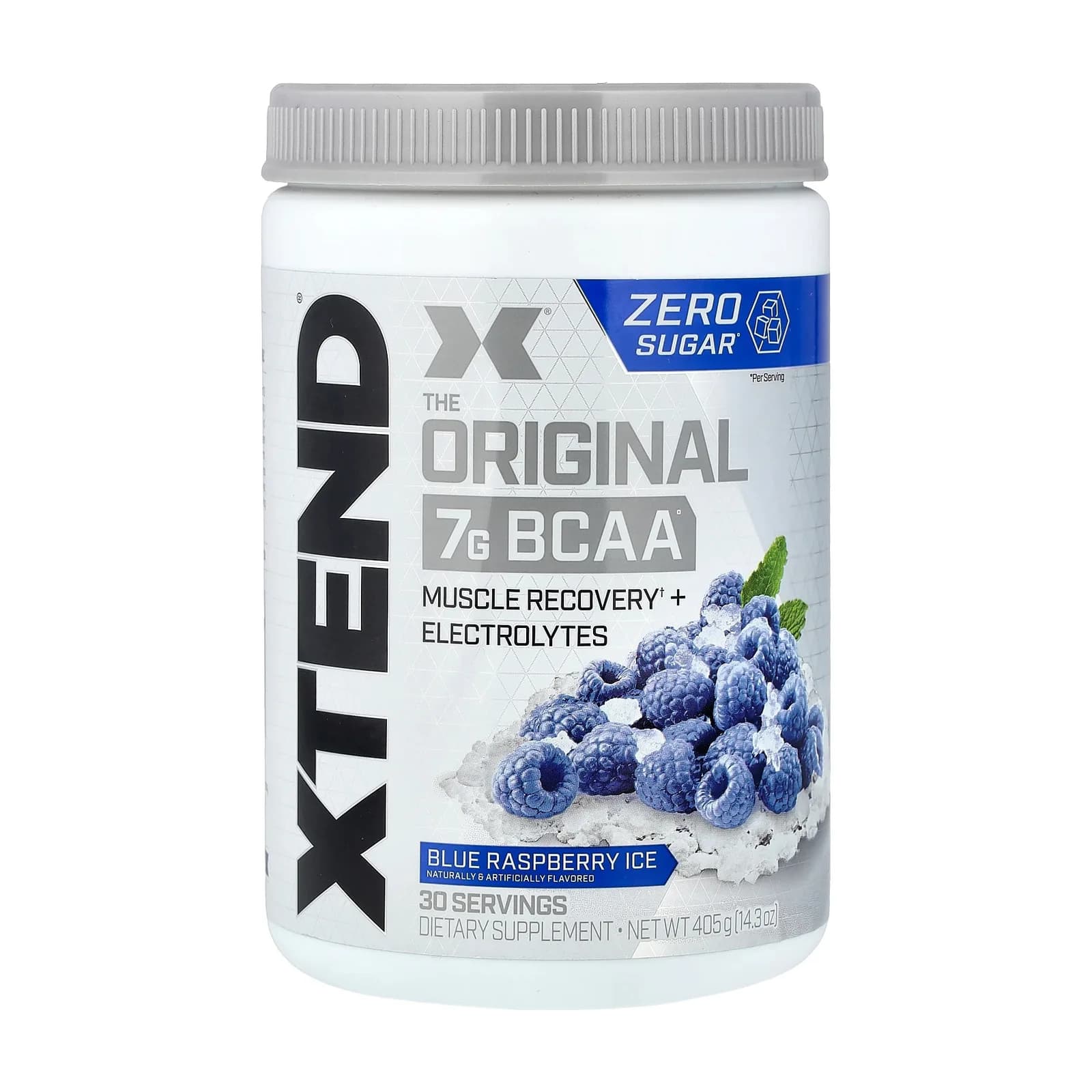
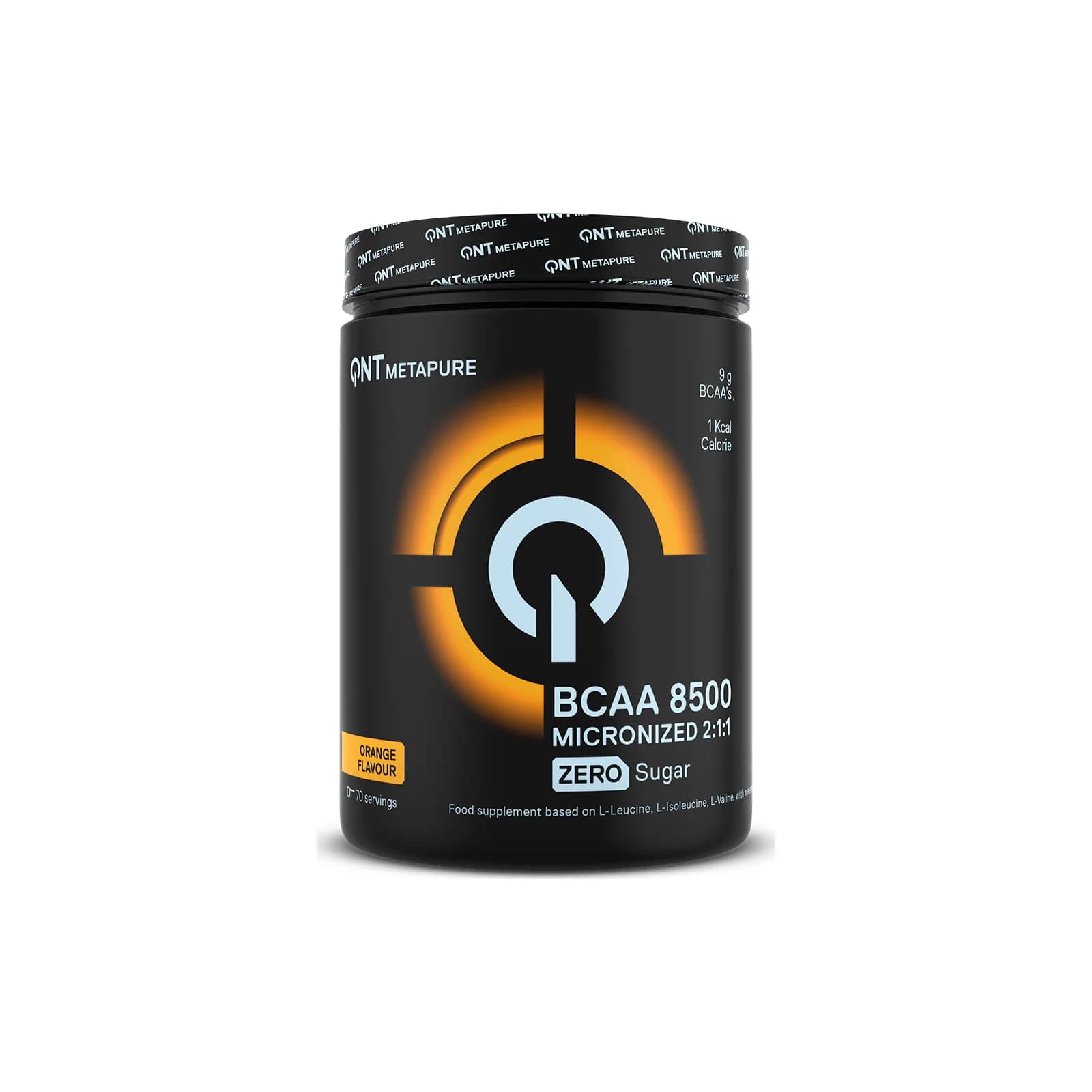
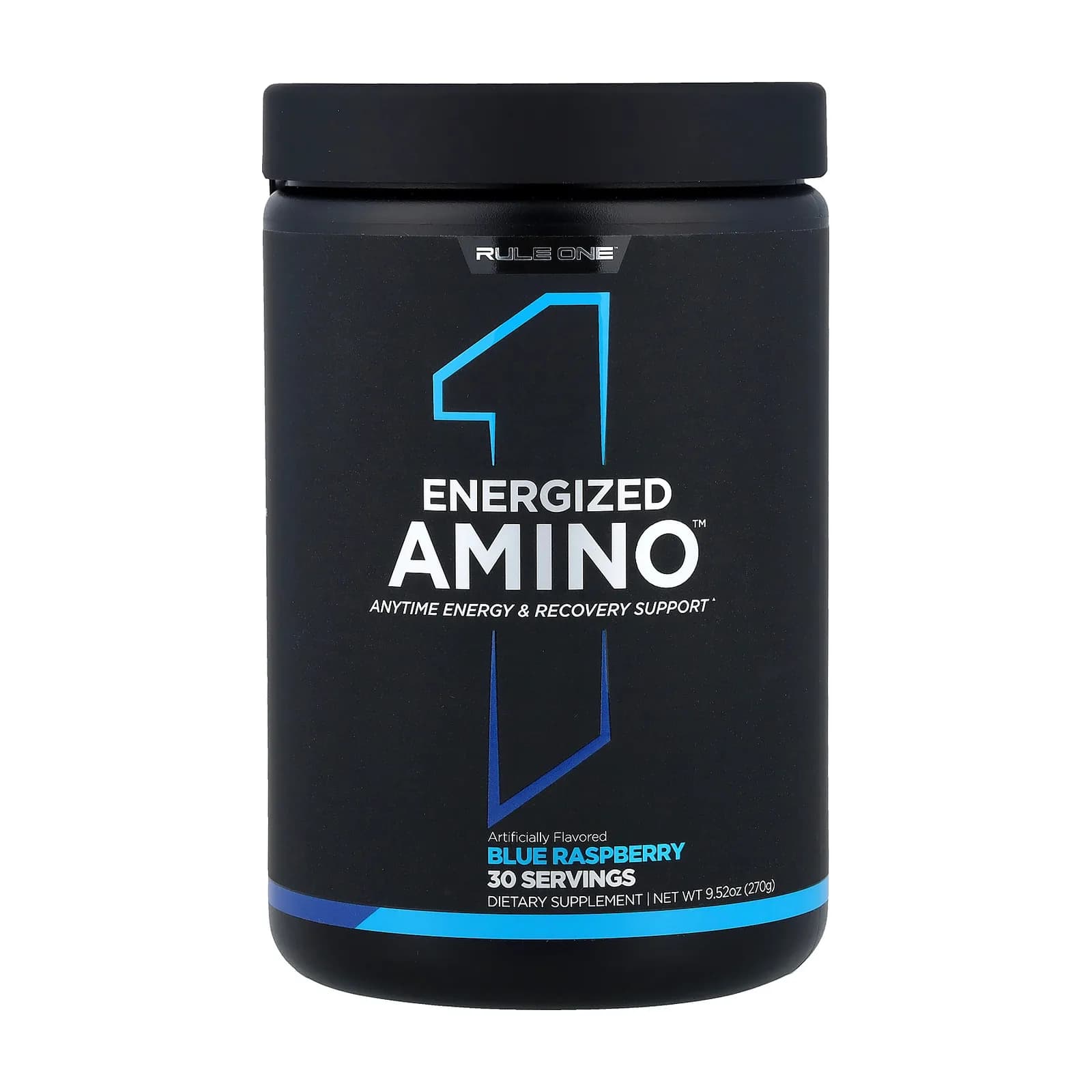
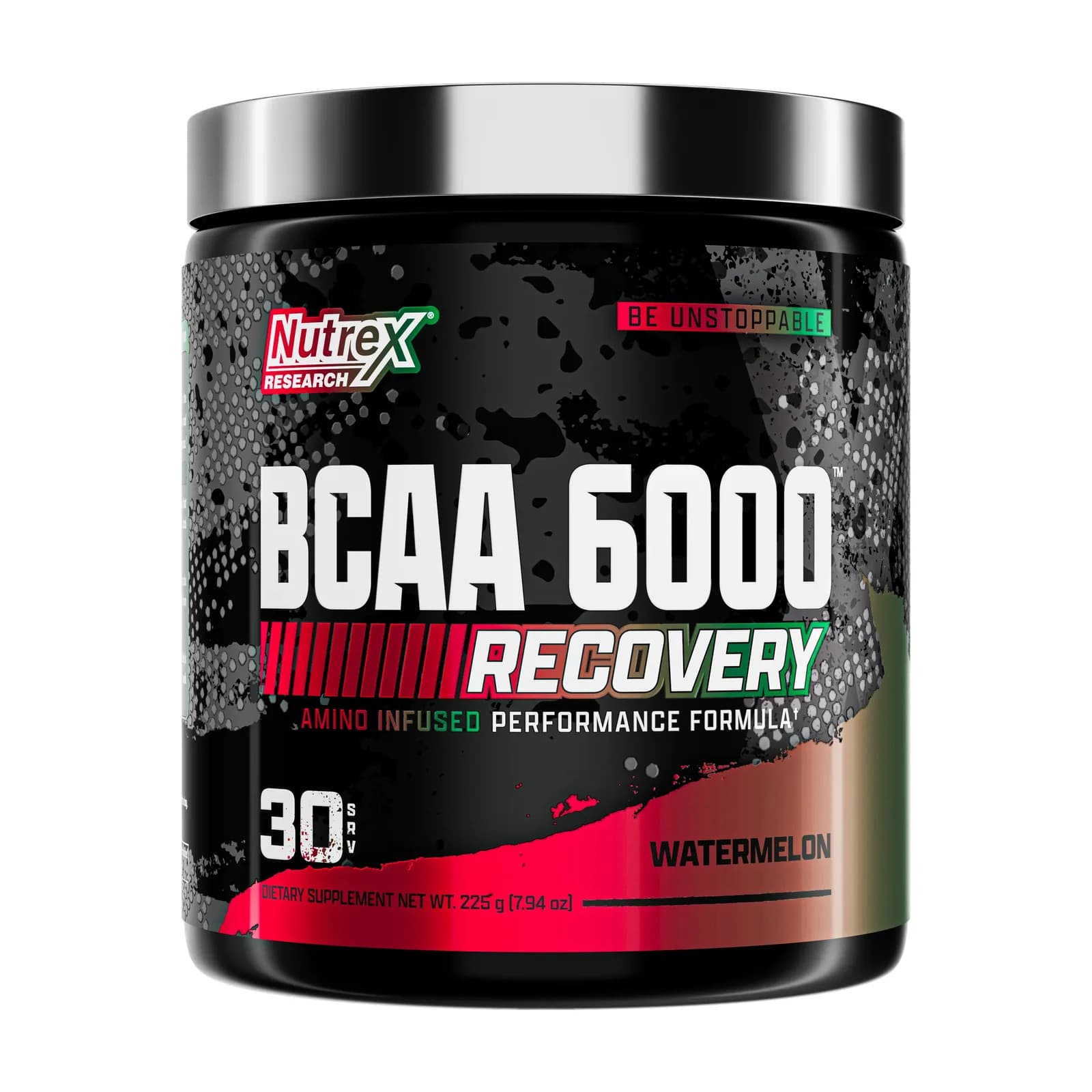
BCAAs (Branched-Chain Amino Acids) — leucine, isoleucine, valine. Three branched amino acids the muscle uses directly to trigger protein synthesis. Useful during or after training. Caveat: if you already hit a solid daily protein intake (1.6g/kg), additional BCAA has diminishing returns. More useful on lower-protein diets.
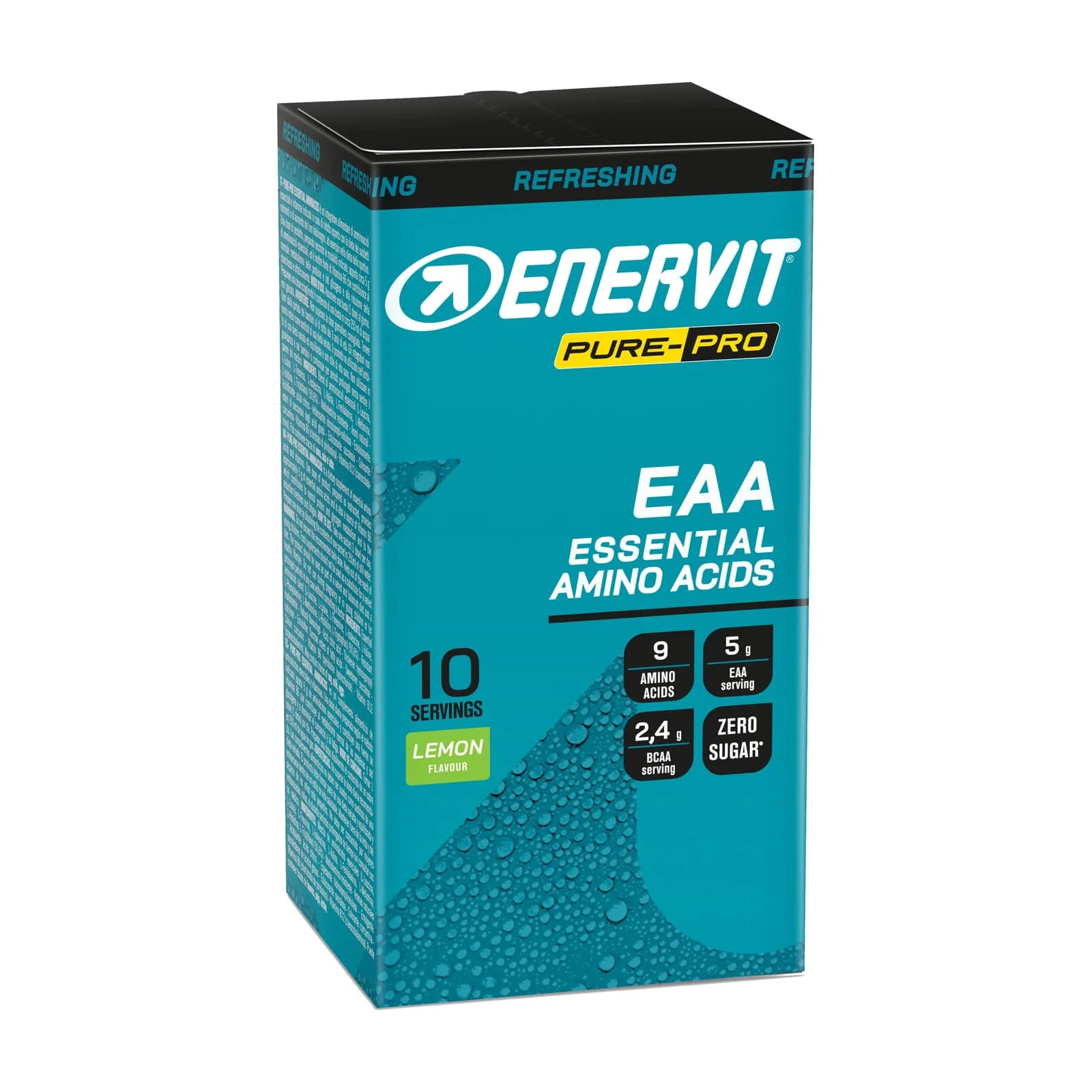
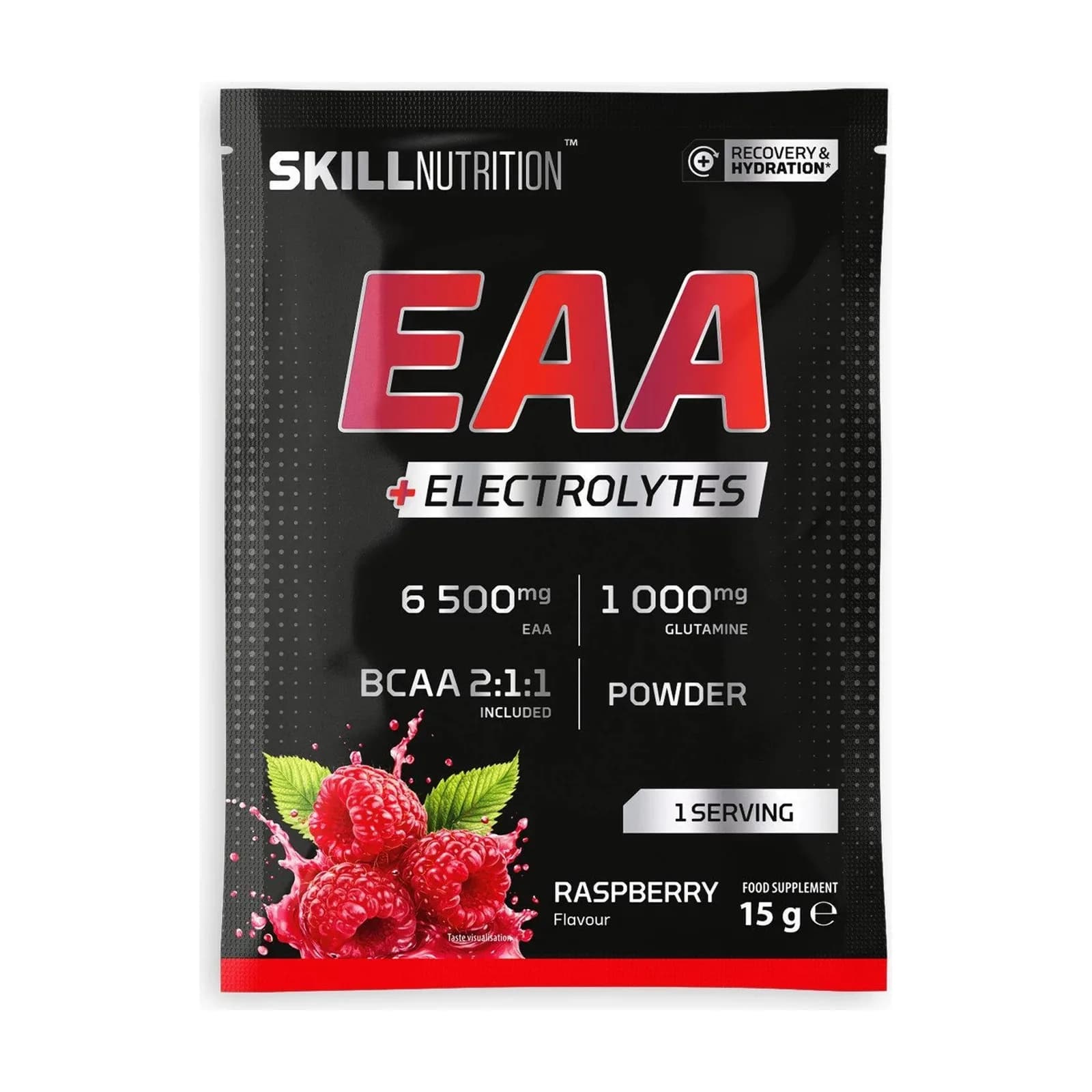
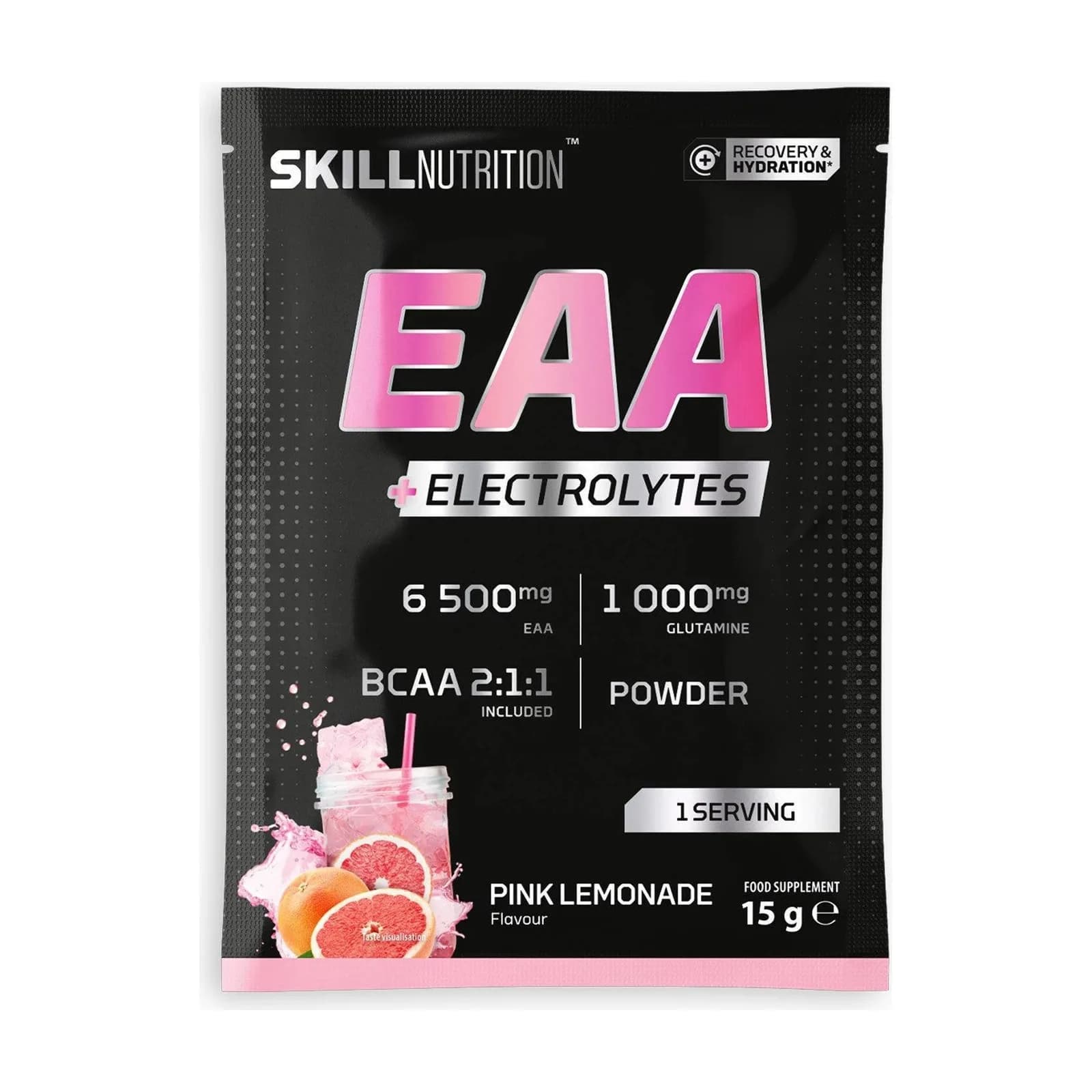
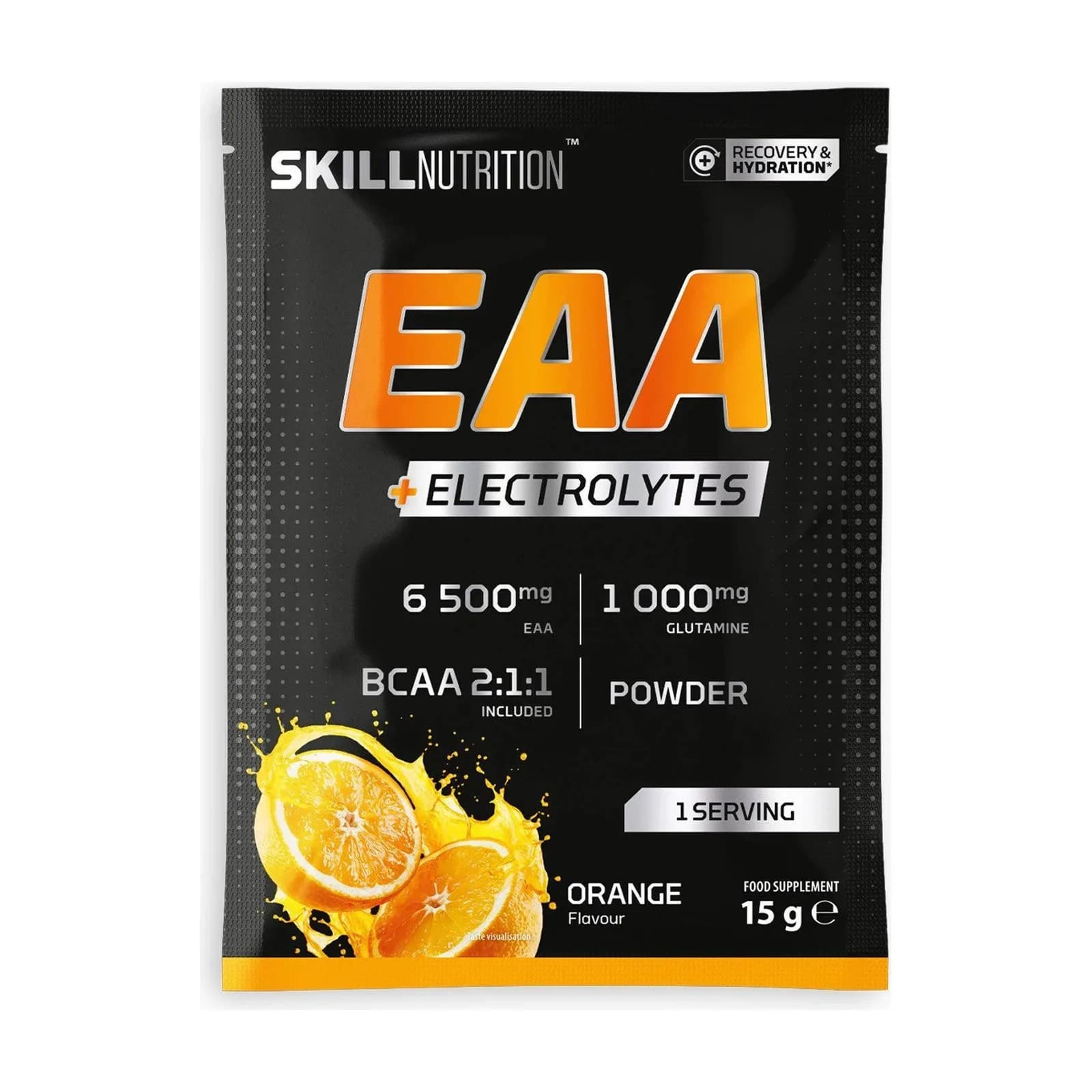
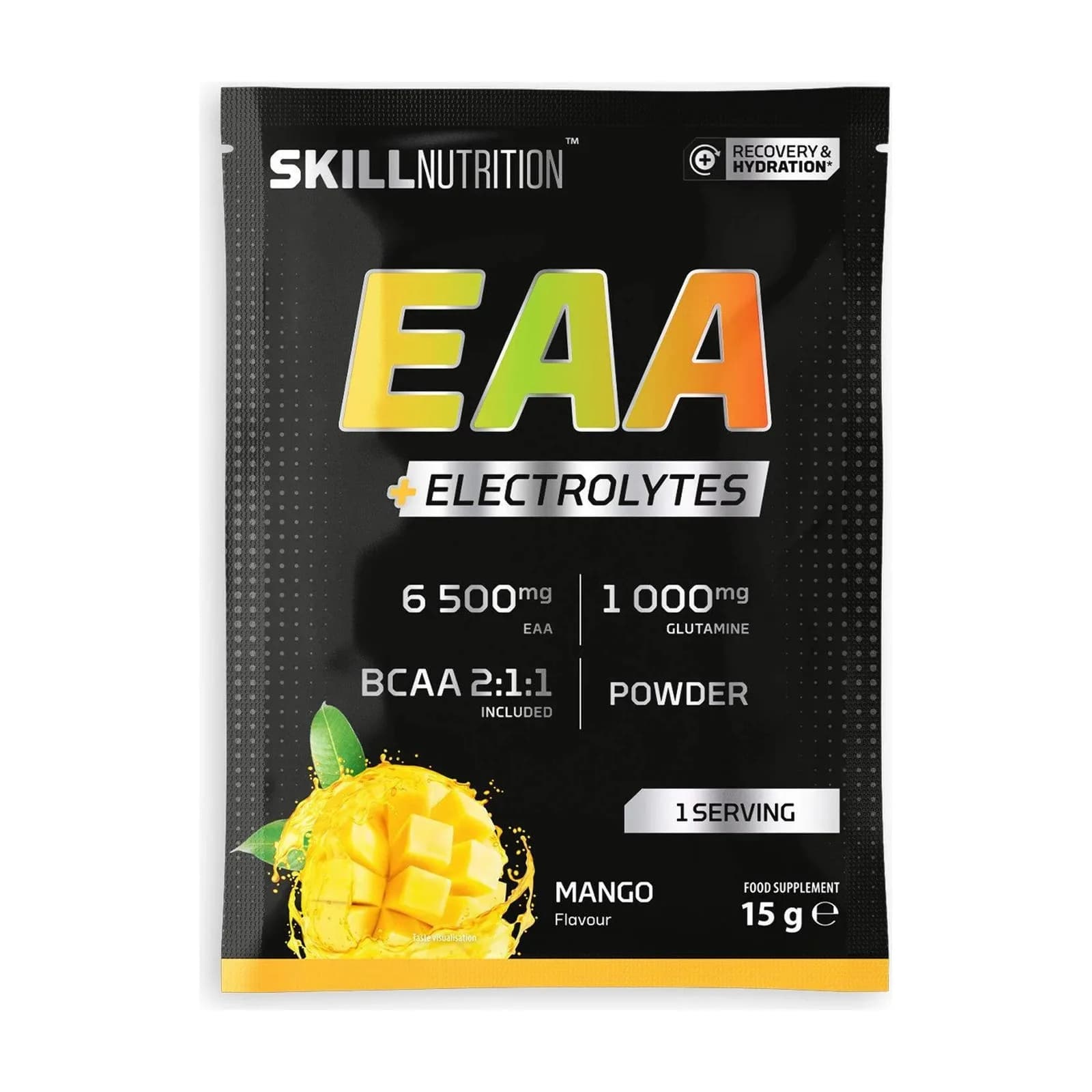
EAAs (Essential Amino Acids) — all 9 essential aminos. Modern research shows EAAs activate muscle protein synthesis more effectively than BCAAs alone, since only three aminos aren't enough to build complete protein. If you want an amino acid supplement — EAA is the better pick over BCAA.
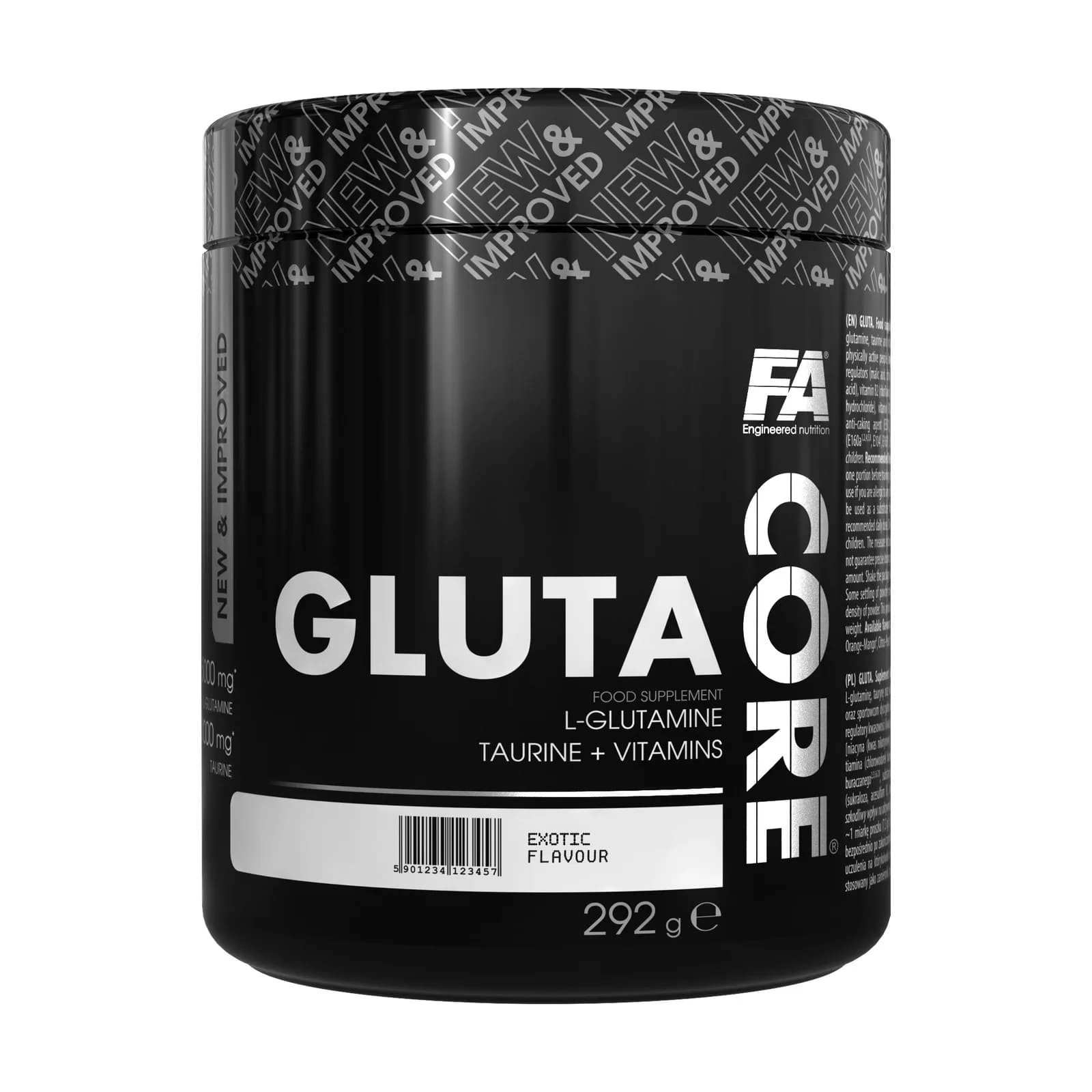
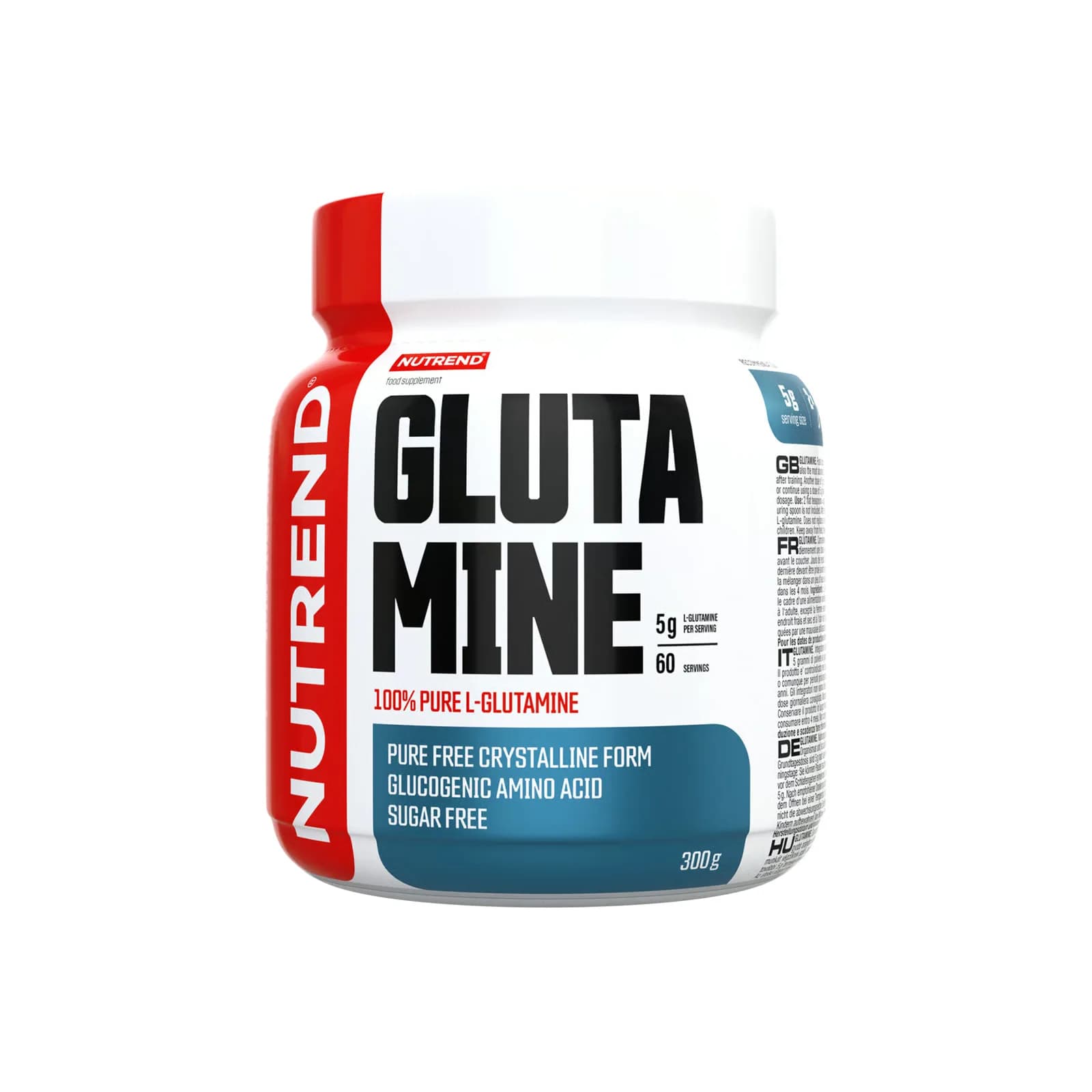
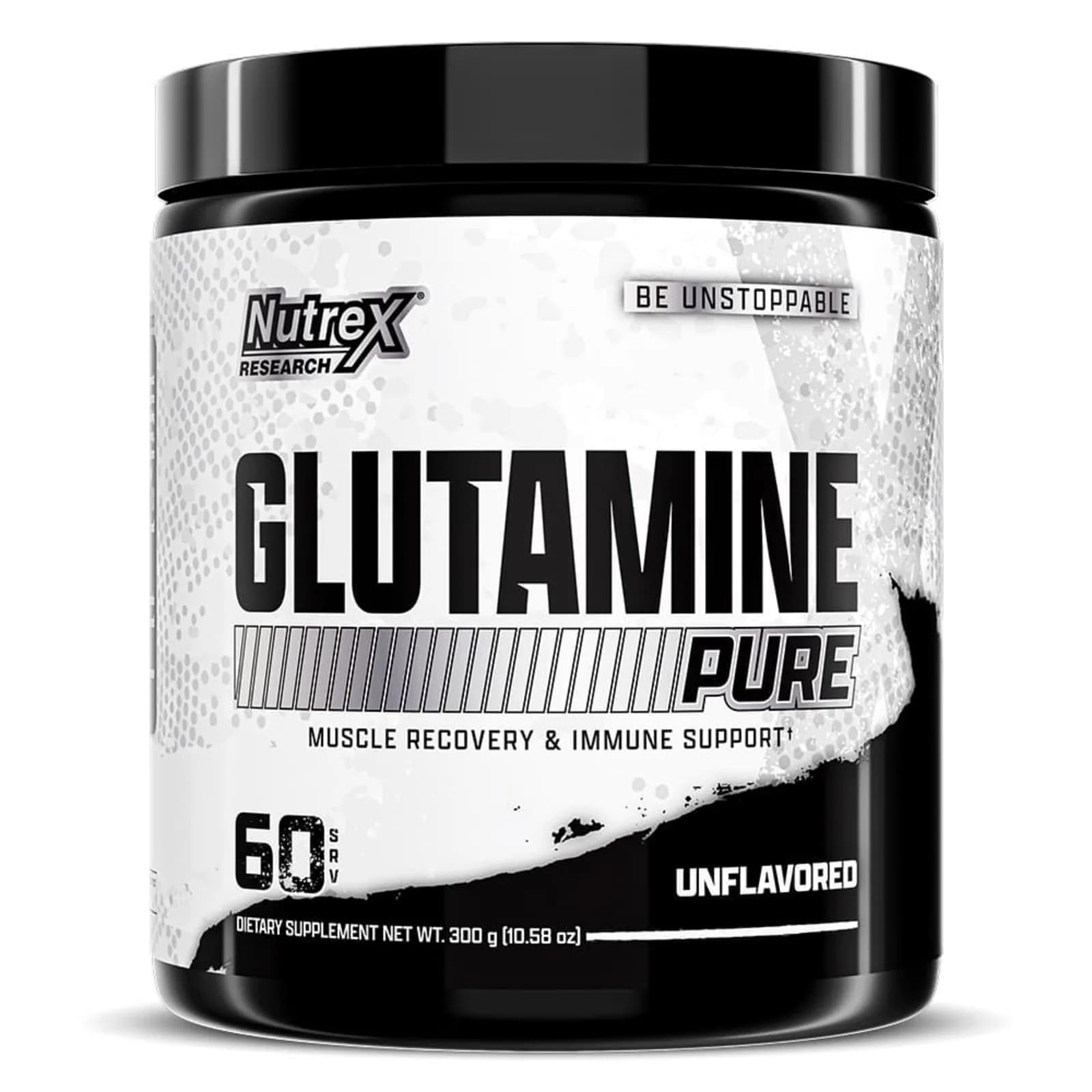
Glutamine is the most abundant amino acid in muscle tissue. Intense training depletes it. Supplementation is associated with faster recovery from injury and infection. Useful during intense training blocks or recovery from illness — 5–10g daily.
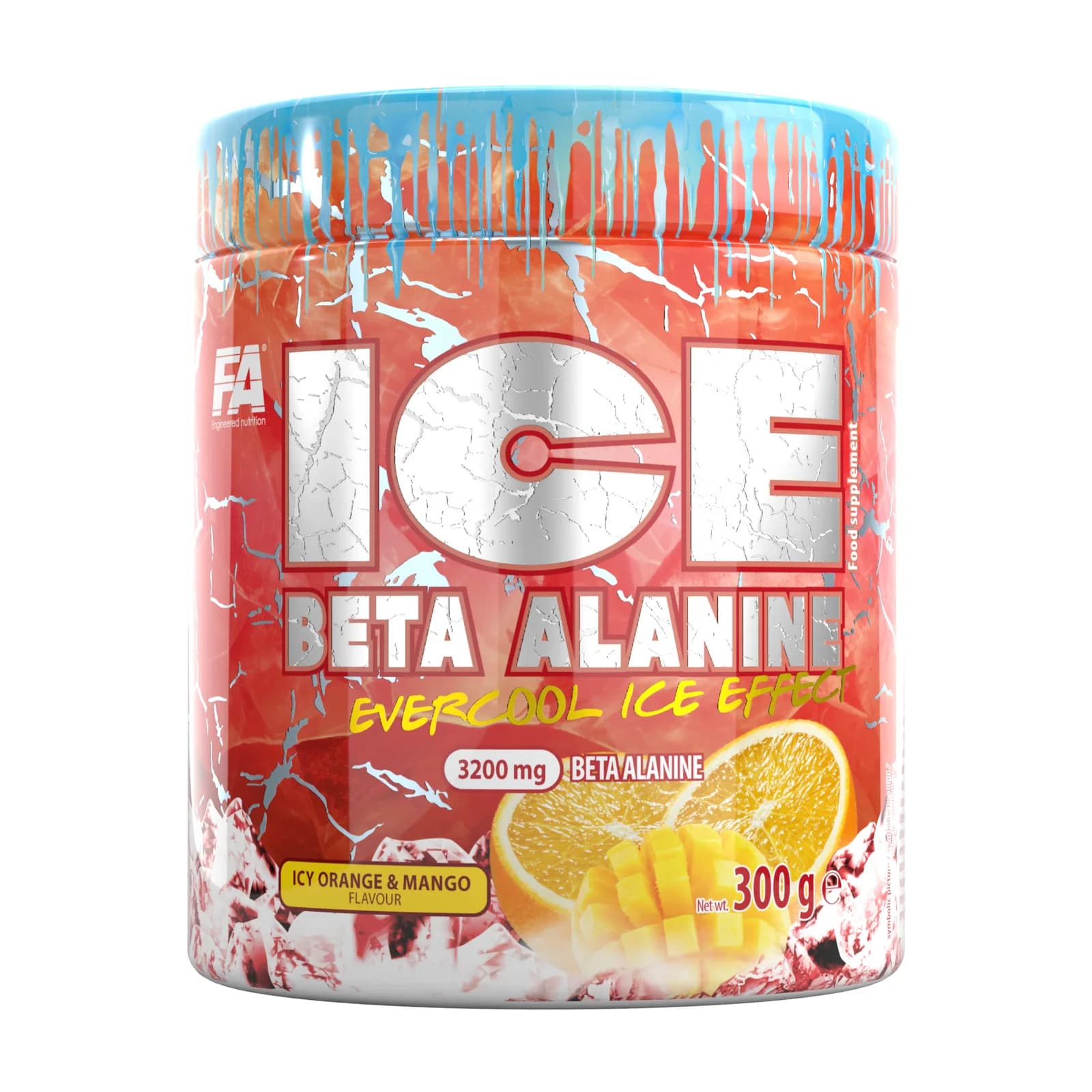
Beta-alanine increases muscle carnosine — a molecule that buffers lactic acid buildup. Result: better endurance on 1–4 minute efforts (CrossFit, sprinting, interval training). 3–6g daily. If your training is pure strength (heavy 1RM work), beta-alanine's benefit is marginal.
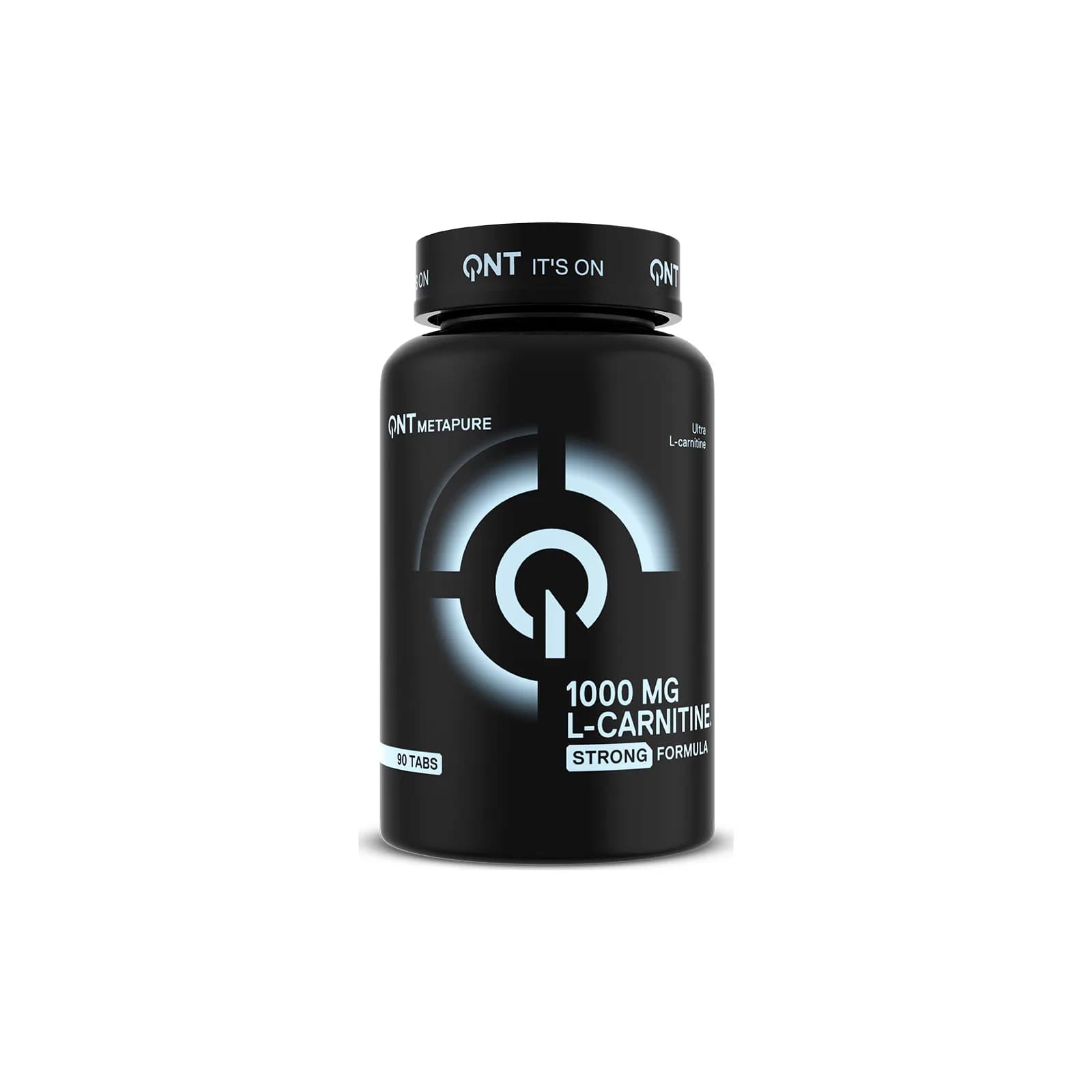
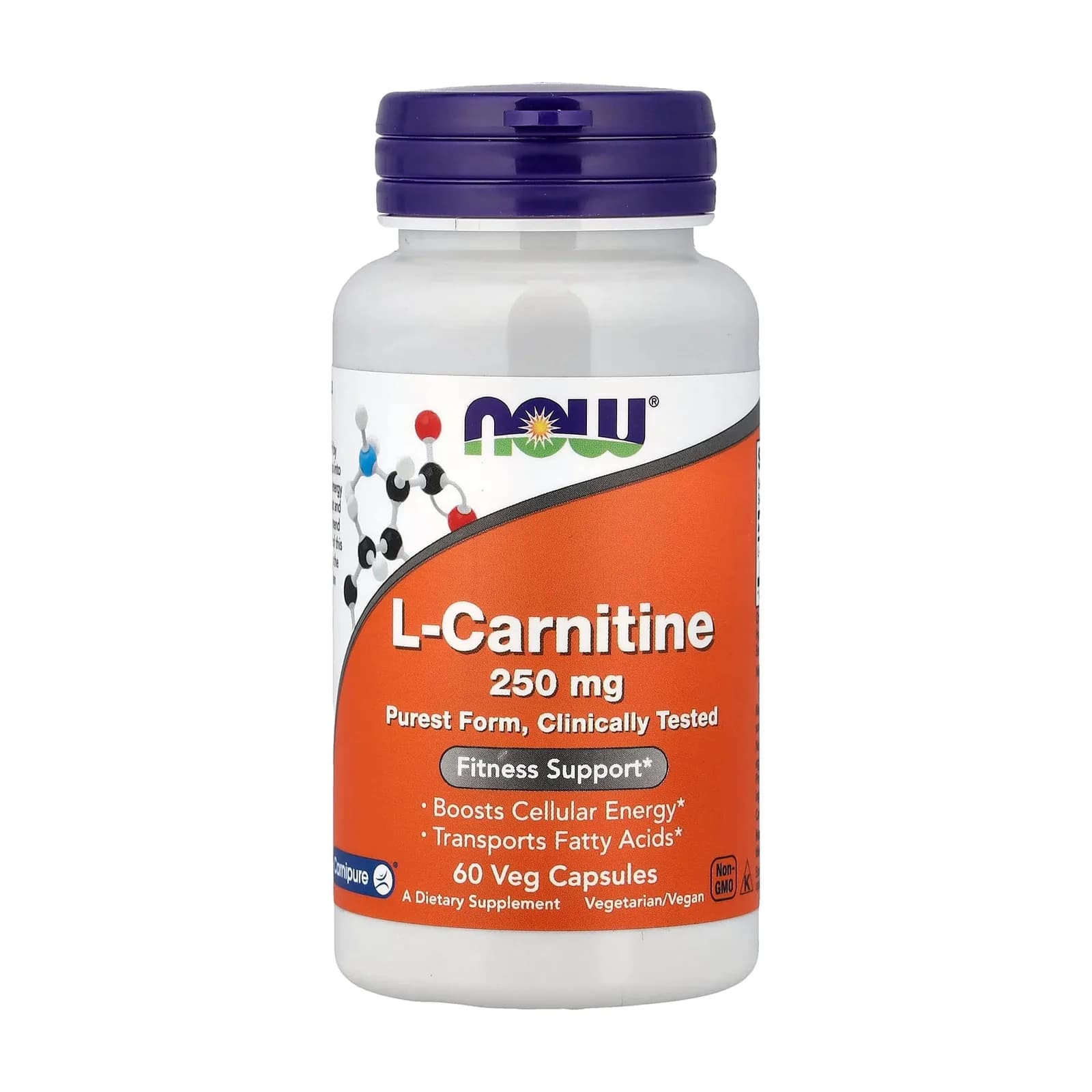
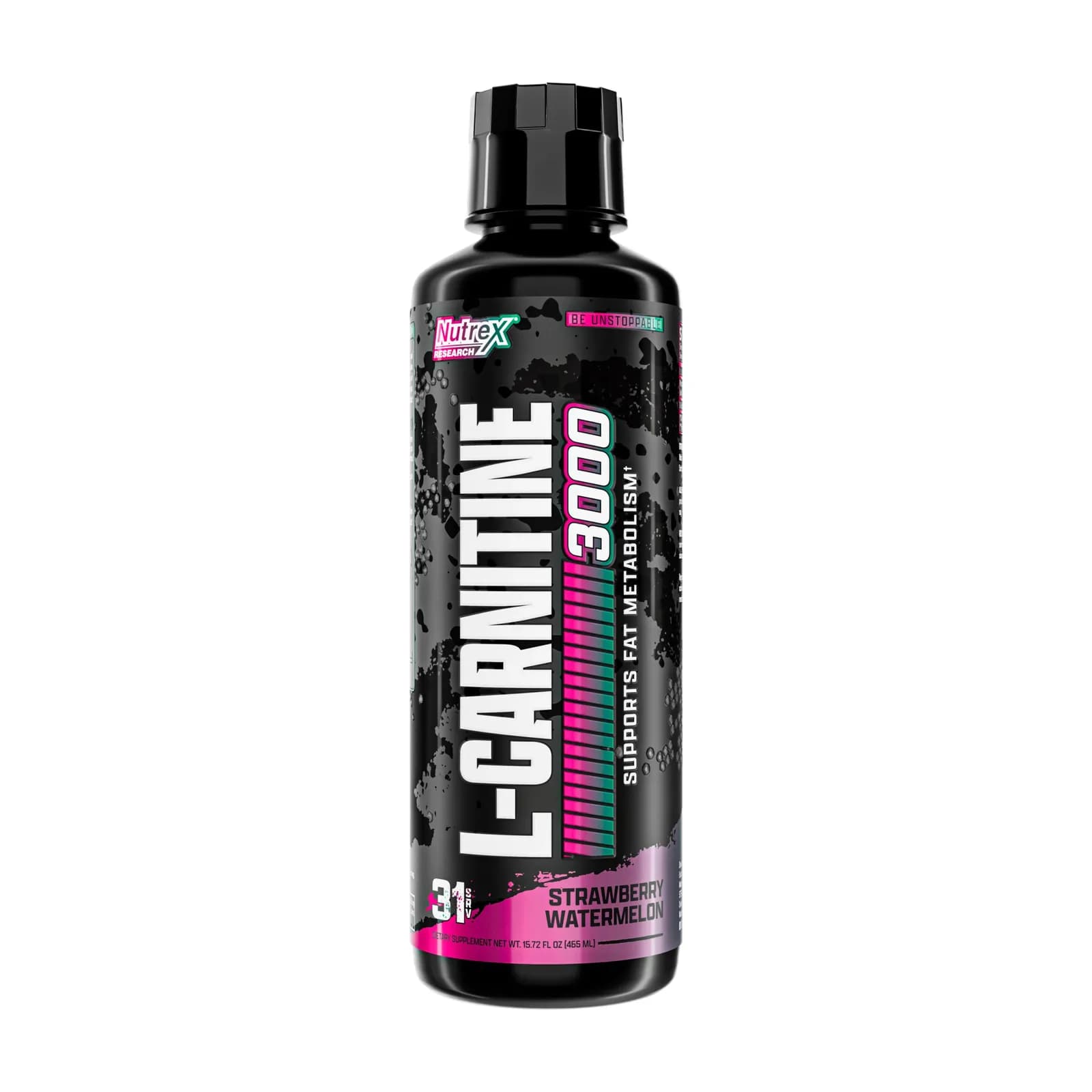
L-carnitine shuttles fatty acids into muscle mitochondria where they're burned for energy, which is why it's marketed as a fat-burning aid. Its effect is amplified by proper nutrition and intense cardio. More useful for endurance athletes (cycling, running) than pure strength training.
These aminos are nitric oxide (NO) precursors — NO dilates blood vessels, which increases blood flow to muscles. Practically: better pump, more visible muscle definition during training, better nutrient delivery. Citrulline outperforms arginine because it survives digestion better.